

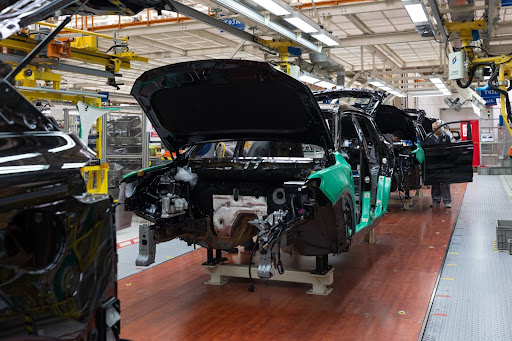
China’s automotive sector is undergoing a profound transformation, moving away from simple mass production toward high-value innovation. The 2026 government work report highlights this transition as a core component of building a modernized industrial system. Leaders in the field are now focused on optimizing product structures and enhancing the perceived value of Chinese brands.
Recent breakthroughs in LiDAR and battery technology exemplify this “quality-first” approach. Huawei’s imaging-grade sensors and BYD’s rapid-charging batteries demonstrate a level of R&D maturity that rivals global competitors. These technologies are no longer just features; they are the foundations of a new “smart economy” in transportation.
According to veteran technicians at Dongfeng Trucks, the industry must now focus on resilience and fundamental research. This involves not just building cars, but creating a robust ecosystem that includes intelligent driving software and sustainable energy grids. The goal is to ensure the entire supply chain can withstand global economic shifts.
Data security has also emerged as a critical pillar of this new industrial strategy. Chery’s leadership has called for standardized procedures to protect user privacy as Level-3 autonomous driving goes mainstream. Establishing trust through transparent data practices is seen as essential for large-scale consumer adoption.
The outlook for the 2026–2030 period suggests that China will continue to dominate the NEV space by leading in “intelligence.” By combining hardware excellence with sophisticated software, the nation aims to redefine what a modern car can do. The focus is no longer just on how many cars are built, but on how smart and efficient they are.