

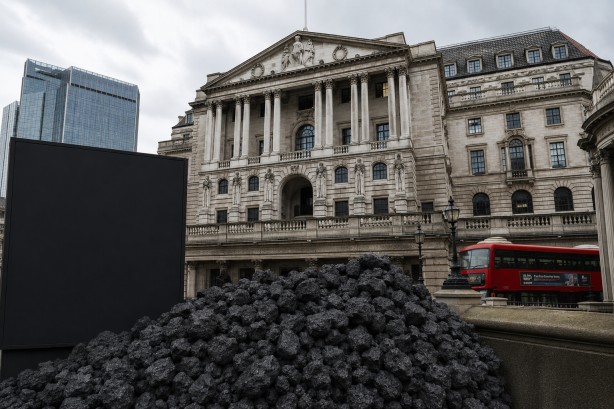
The Bank of England has taken a notable step towards mitigating climate-related financial risks by announcing a new policy that will come into effect in October. The central bank will exclude bonds associated with thermal coal companies from being used as collateral in its lending operations. This decision reflects a broader effort to align financial practices with the global transition towards cleaner energy sources and a net-zero emissions future.
In the realm of banking, major commercial institutions frequently use bonds as collateral when seeking to borrow funds from central banks. This process is essential for maintaining smooth daily operations and transaction settlements. However, under the new policy, any bonds tied to the fossil fuel used in electricity generation, specifically thermal coal, will be deemed ineligible as collateral. This move underscores the mounting financial risks that thermal coal companies face as nations worldwide intensify efforts to shift away from fossil fuels.
The Bank of England’s policy also allows it to impose discounts on bonds from other sectors that are vulnerable to climate risks. By doing so, the central bank aims to safeguard its balance sheet from potential financial losses that may arise from these high-risk investments. The decision has been met with approval from environmental organizations, which see it as a powerful message to financial markets, encouraging commercial banks to reconsider and potentially reduce their investments in heavily polluting industries.
Globally, the trend is gaining traction, with over 150 major financial institutions already implementing restrictions on thermal coal-related business activities. Analysts suggest that the long-term success of the Bank of England’s policy will depend on the robustness of the methods used to assess climate risks and whether similar policies will be broadened to include other environmentally detrimental practices. This initiative marks a pivotal moment in the financial sector’s response to climate change, potentially influencing future regulatory approaches worldwide.