

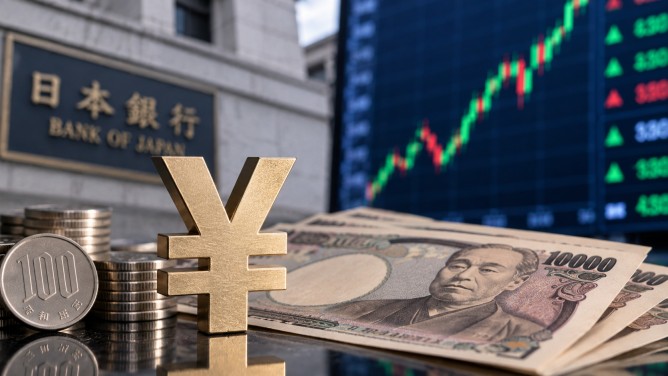
The Japanese yen experienced a notable surge against the US dollar on Thursday, driven by growing anticipation among traders that the Bank of Japan (BOJ) might soon opt to increase interest rates. The yen reached 157.545 per dollar, marking its strongest position in nearly a month and building on a 0.9% gain from the prior session. This upward movement was also evident against the euro and the British pound.
This recent rally in the yen is primarily attributed to expectations of a shift towards tighter monetary policy in Japan, rather than any direct intervention by Japanese authorities. Hajime Takata, a BOJ board member, highlighted the need for the central bank to adapt flexibly to the mounting inflation pressures, suggesting that an interest rate hike should be considered without adhering to a predetermined schedule. As a result, market sentiment is increasingly leaning towards the likelihood of a BOJ rate increase this month.
The yen has been under pressure in recent months due to the significant interest-rate disparity between Japan and other major economies, alongside concerns over fiscal policies and rising energy prices. This context further amplifies the significance of the potential policy change by the BOJ, as it could alter the current dynamics influencing the currency.
Meanwhile, the broader US dollar showed a slight weakening against a basket of currencies as investors awaited the upcoming US nonfarm payrolls report scheduled for release on Friday. Economists predict this report will indicate a modest rise in employment, following a steep decline observed in July. This data is poised to play a crucial role in shaping expectations regarding the Federal Reserve’s forthcoming interest-rate decision.
Currently, the market is pricing in a 61% probability of a rate hike by the Federal Reserve in September. Investors are closely monitoring indicators of persistent inflation and shifts in the US labor market, which could influence the central bank’s monetary policy stance in the near future.