

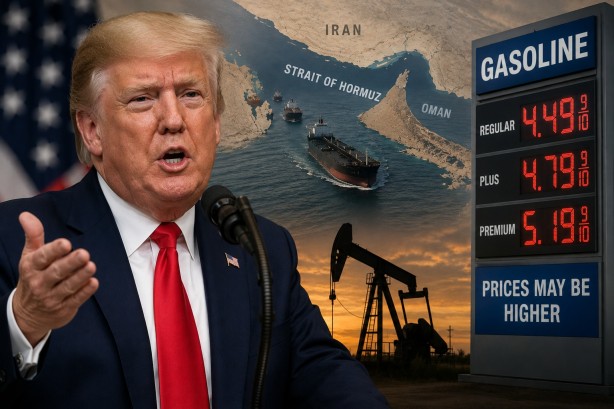
In the midst of ongoing tensions with Iran, U.S. President Donald Trump has called on Americans to accept a slight increase in gasoline prices, attributing it to the disrupted shipping through the Strait of Hormuz. During a rally in New York, Trump emphasized that paying “a tiny little bit more” at the pump is a necessary measure to prevent Iran from acquiring nuclear weapons. He also floated the idea of declaring the strategic waterway “a territory of the United States” following a potential defeat of Iran.
Iran has responded by firmly rejecting Trump’s statements. Deputy Foreign Minister Kazem Gharibabadi stated that Iran will maintain its control over the Strait of Hormuz and continue the blockade until the United States recognizes the situation as a defeat. Iranian Foreign Minister Abbas Araghchi further added that Tehran has not yet decided to resume talks with Washington, and emphasized that shipping through the strait will remain halted unless the U.S. meets Iran’s conditions.
The standoff has significantly affected the flow of tanker traffic in the Strait of Hormuz, a critical passage for global oil and natural gas transportation. This disruption has led to a rise in crude prices, consequently increasing fuel costs. Reports indicate that the average gasoline price in the United States has reached approximately $4.08 per gallon, marking a 29% increase from the previous year. Brent crude prices are also experiencing a notable weekly surge.
Iran is also feeling the economic repercussions of the situation. Iranian President Masoud Pezeshkian has attributed the country’s rising inflation to the U.S. blockade, sanctions, and the limitations placed on Iranian oil exports. As the situation remains at an impasse, the Trump administration has indicated the possibility of imposing further financial sanctions on Tehran as efforts to establish a ceasefire have yet to yield progress.