

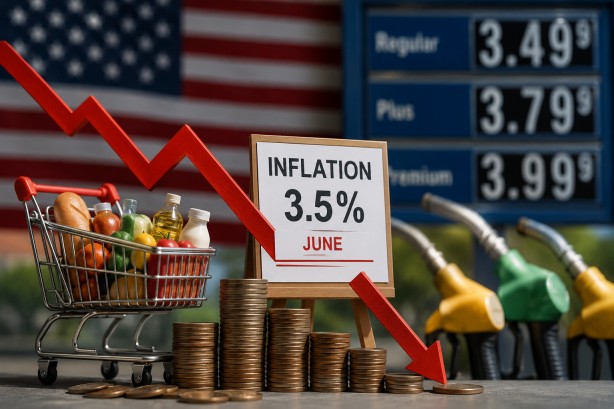
In June, the United States experienced a slowdown in annual inflation, which fell to 3.5%, largely due to a temporary dip in energy prices that helped lower overall consumer costs. The latest Consumer Price Index (CPI) data revealed a 0.8% decrease in prices from May, with reduced gasoline and fuel prices playing a significant role in the decline. These reductions were enough to counterbalance increases in other areas, such as food, housing, and utilities.
Core inflation, which is a critical measure for the Federal Reserve as it excludes the more volatile food and energy sectors, decreased to 2.6% on an annual basis. This reduction offers some respite following previous months of higher inflation rates. However, the current relief in inflation might be fleeting, as recent tensions in the Middle East have caused a rise in global oil prices, which in turn is beginning to elevate fuel costs for consumers and operating expenses for industries like aviation and transportation.
The Federal Reserve is poised to evaluate the newest inflation figures alongside labor market conditions at its forthcoming policy meeting later this month. Although inflation has shown some moderation, it still surpasses the central bank’s long-term objective of 2%. This ongoing situation introduces uncertainty about when interest rates might be adjusted.
While the dip in inflation provides a temporary breather, the landscape remains complex due to the fluctuating oil prices and their impact on various sectors. Observers and policymakers alike are keenly watching how these dynamics will influence future economic conditions and the Federal Reserve’s strategy for managing inflation and interest rates.