

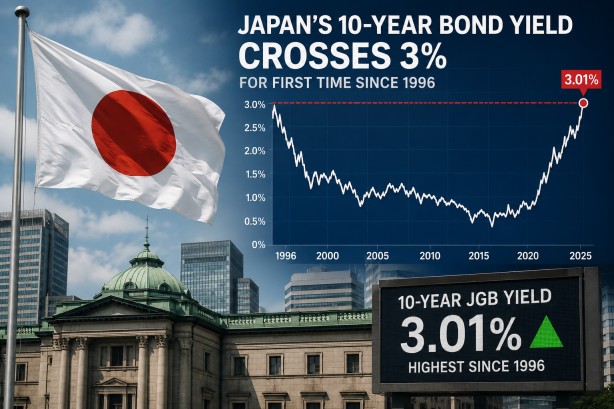
In a significant development for Japan’s financial landscape, the yield on the country’s benchmark 10-year government bond has surpassed the 3% mark for the first time since 1996. This milestone is reshaping the dynamics of Japan’s bond market and enhancing the attractiveness of domestic fixed-income investments. Consequently, there is a growing inclination among Japanese investors to reassess their overseas bond portfolios, which might reverse Japan’s historical trend of channeling capital into global debt markets. Through August 22, official data recorded a net outflow of ¥3 trillion ($18.7 billion) from overseas debt by Japanese investors this year.
The competitive edge of domestic bonds is being bolstered by rising yields, which are outpacing returns on foreign investments, especially when factoring in currency-hedging costs. Support for this trend is evident in a survey of 82 Japanese corporate pension funds, which indicated the strongest net intention to increase domestic bond holdings since the survey’s inception in 2008. This shift holds significant implications for global markets, as Japanese investors have been key purchasers of U.S. Treasuries and other sovereign debt. A sustained decline in their overseas buying activities could contribute to upward pressure on international bond yields and borrowing costs.
Several factors are driving the rise in Japanese yields, including inflation concerns, expectations of further rate hikes by the Bank of Japan, and increasing apprehensions regarding the nation’s fiscal health. Despite these influences, analysts suggest that the current trend is more indicative of a gradual reallocation toward domestic assets rather than an abrupt large-scale withdrawal from international markets.
As the Japanese bond market undergoes these changes, the potential impact on global financial systems is notable. A reduction in Japanese capital flowing into foreign debt markets could alter the dynamics of international borrowing and investment strategies. This transition is being closely watched by market participants worldwide, who are assessing the broader ramifications of Japan’s shifting investment preferences.